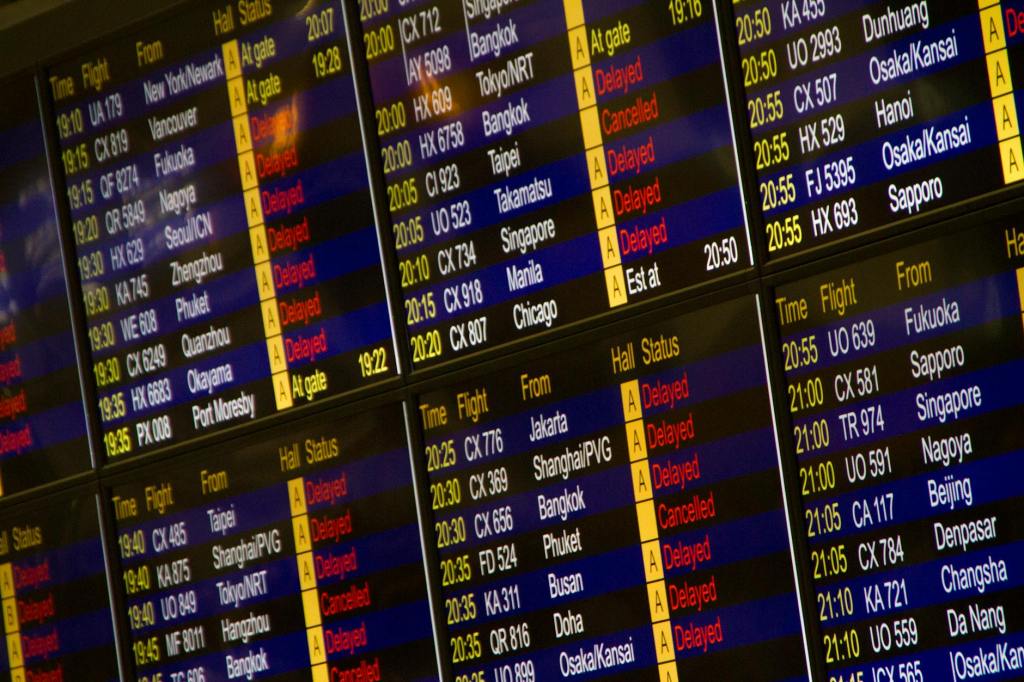

A recent trip to Cape Town, set against troubling global events, reminded me of something we too easily forget: travel is a privilege, not a given right.
This was meant to be a light travel piece — complete with an anecdote about “stealing” from the South African Airways business class lounge at Heathrow Airport during a fire. But my thoughts are elsewhere.
I have been dismayed by the tone of the UK media in recent days. Some coverage has seemed almost gleeful about the disruption facing those living in the UAE and wider Middle East — people who find themselves in difficult circumstances through no fault of their own. There has been talk of the “Dubai bubble” bursting and insinuations that those who do not pay UK tax will expect government-funded repatriation at the first sign of trouble. This narrative is simplistic and unfair.
With the exception of a handful of online personalities who trade in click bait most people I know living in the UAE have no desire to leave. Friends in the region — and one currently stranded in Dubai as a tourist — speak not of panic but of calm. Malls and restaurants remain open. Life continues, albeit with sensible precautions. The sound of defence systems intercepting missiles is undoubtedly unsettling, but the more dramatic claims circulating online — hotels bombed, the Burj Khalifa ablaze — are simply not true. The defence systems are functioning as intended. Daily life, with caution, goes on.
Social media amplifies the noise. Feeds are filled with frustration over cancelled holidays, disrupted flights and the cost of rerouting. What is often missing is perspective. Airlines do not cancel services lightly; they do so to protect passengers and crew. Faced with closed airspace and credible threats, safety must come first. Would we really prefer to be airborne amid active missile exchanges?
The scale of reaction feels disproportionate when viewed globally. While holidaymakers despair over postponed trips to the Seychelles, families in Kyiv have lived with the daily reality of war for years. The contrast is sobering.
From Mauritius, the conflict feels geographically distant. Yet island nations are never insulated from global instability. Mauritius imports the majority of its food. Local agriculture covers less than a third of national needs; staples such as dairy, meat, rice and wheat arrive by ship or air. Fuel is imported too. Supply chains are fragile. Prolonged disruption would be felt quickly.
For long-term expatriates, the idea of “home” is complex. Home country and home are not always the same thing. Home country is about citizenship. Home is where you live, work, build friendships, school your children. Tabloid rhetoric may depict expatriates as wealthy tax exiles or social media influencers, but the majority have moved for work, opportunity or carefully planned early retirement. Their lives are real, rooted and not easy to leave.
If circumstances in Mauritius were to deteriorate, I would not expect the UK government to “repatriate” me. Living abroad is a choice. And choice carries responsibility.
Travel is much the same. We plan it, save for it, anticipate it. But it remains conditional — on geopolitics, on stability, on systems functioning as they should. The ability to move freely across borders is not an entitlement. It is a privilege afforded by a relatively peaceful world.
When that peace fractures, flights are cancelled. Airspace closes. Plans unravel. But while we refresh aircraft tracking apps and calculate rerouting costs, others are calculating where to shelter. While we debate compensation policies, others are listening for sirens. A delayed holiday is not a humanitarian crisis. A rerouted journey does not make this your war; it is simply an inconvenience.
 Not Quite Settled
Please share your thoughts and experiences.